
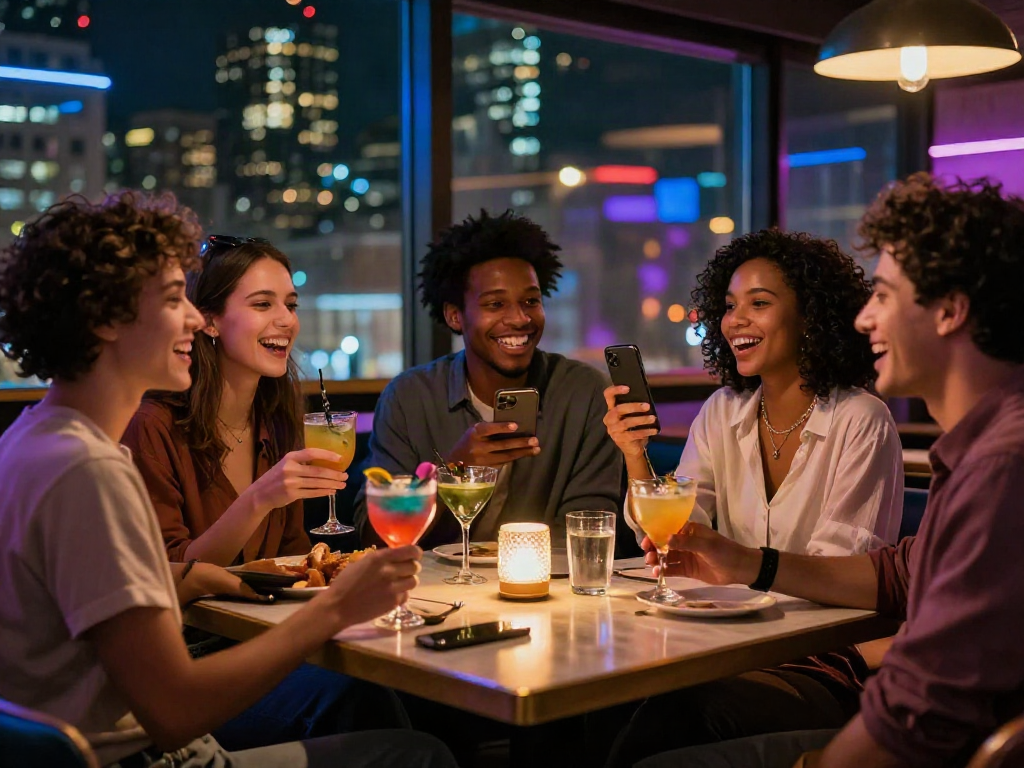
Understanding the Impact of AI in Social Dynamics
The integration of artificial intelligence (AI) into our daily lives has accelerated rapidly, reshaping how we interact with each other, especially in social contexts. The evolution of AI technology has profound implications for social dynamics, particularly among individuals aged 18 and older. Factors such as connectivity, information accessibility, and personalized experiences are transforming social interactions in urban settings. As we delve deeper into this topic, it’s essential to explore how AI affects social behavior and engagement. For comprehensive insights on these trends, ai 18+ platforms are becoming pivotal resources.
How AI Influences Social Interactions
Artificial intelligence is fundamentally changing how individuals connect, communicate, and build relationships. From algorithms that suggest potential partners to chatbots that facilitate initial interactions, AI enhances our social experiences in numerous ways. For example, dating apps now use AI to analyze user behavior and preferences, resulting in more accurate matches. These platforms employ sophisticated machine learning techniques to refine their algorithms continuously, improving both user satisfaction and engagement.
Additionally, AI-driven social networks can tailor content to individual user preferences, ensuring that users receive relevant updates and invitations from friends or communities. This highly personalized approach increases user engagement and fosters deeper connections, maintaining relevance in an era where attention spans are dwindling.
AI 18+ User Insights: What Data Reveals
Data collected from AI-driven platforms indicates several trends among users aged 18 and older. Firstly, younger generations are increasingly comfortable with technology and willing to engage with AI in their social lives. Surveys suggest that over 60% of individuals in this age group are open to using AI-enhanced applications for dating and socializing. Furthermore, users report feeling less anxiety when interacting through AI intermediaries, as these tools often facilitate smoother conversations and provide necessary prompts.
In addition, analytics from apps reveal that users are spending more time on platforms that incorporate AI features, indicating a shift in social habits. Insights gleaned from user interactions can also inform how platforms can better serve their demographic, reinforcing the continuous cycle of AI adaptation and user engagement.
Modern Relationship Challenges in Urban Settings
Despite the advantages AI brings, modern urban social landscapes are fraught with challenges. The fast-paced environment often leads to superficial interactions, as individuals struggle to balance busy schedules with meaningful relationships. Moreover, the prevalence of digital communication can contribute to feelings of loneliness, even amidst constant connectivity.
AI can help mitigate some of these issues by providing tools that encourage deeper connections. For instance, features like icebreaker questions and shared interest prompts can enable users to move beyond small talk, fostering more substantive conversations. Ultimately, while technology can complicate social dynamics, it also holds the potential to deepen connections if used thoughtfully.
Exploring AI-Driven Platforms for Nightlife Engagement
The nightlife scene has been significantly transformed by AI, with various platforms facilitating social interactions among 18+ users. These apps not only enhance the experience of meeting new people but also provide insights into local events based on user interests. By analyzing user data, AI can recommend venues, events, and even compatible individuals, tailoring the nightlife experience to personal preferences.
Popular Apps for AI 18+ Connections
Several applications have gained traction among urban dwellers seeking AI-enhanced social interactions. Apps like Tinder and Bumble leverage AI algorithms to suggest matches based on mutual interests, preferences, and even location data. Similarly, platforms such as Meetup utilize AI to curate events that align with users' hobbies and social interests, encouraging participation in group activities that can lead to meaningful connections. These tools not only streamline the dating process but also foster community involvement, enhancing the urban social fabric.
Features That Enhance Online Dating Experiences
AI-driven features are revolutionizing online dating by creating more engaging user experiences. Smart matching algorithms analyze user data to suggest compatible matches and provide conversation starters based on shared interests. Additionally, some platforms incorporate augmented reality (AR) to enhance virtual dates, bridging the gap between online interactions and real-life meetings.
- AI Chatbots: These assist users in generating conversation prompts and can provide feedback on their profiles, enhancing the likelihood of meaningful interactions.
- Personality Assessments: AI can analyze user responses to quizzes and prompts to match personalities more effectively, increasing the chances of successful connections.
- Real-Time Feedback: Some dating apps now offer users real-time tips for improving their profiles and conversations, which can be crucial for creating lasting connections.
Success Stories: Real-life Connections and Outcomes
Real-life success stories from users highlight the potential of AI in creating lasting relationships. Many users report meeting significant others through AI-driven platforms, citing the relevance of matches and the ease of initial interactions as key components of their experiences. For example, a survey conducted by a leading dating app indicated that 30% of users found long-term partners within six months of joining, primarily due to the effective matchmaking capabilities of AI.
Additionally, testimonials reveal that AI features, such as personalized date suggestions based on interests, have led to more engaging first encounters, ultimately resulting in successful partnerships. As the technology continues to evolve, these success stories are likely to increase, reinforcing the value of AI in modern social interactions.
Creative Ways to Leverage AI for Social Events
Beyond dating, AI is proving instrumental in organizing and enhancing social events in urban settings. With a focus on creativity and engagement, event planners can use AI tools to streamline processes and create memorable experiences for attendees.
Event Planning with AI Tools
AI-powered platforms are reshaping event planning by automating tedious tasks, such as guest list management and venue selection. By leveraging data analytics, planners can ensure that events cater to the preferences and interests of their target audience. For instance, AI can analyze previous event attendance and feedback to recommend ideal venues and formats, ultimately increasing participation rates.
Additionally, chatbots can assist event organizers by providing instant answers to frequently asked questions, enhancing the overall attendee experience and relieving some of the burdens from event staff.
Creating Memorable Experiences Using AI
AI can also enhance the attendee experience at events through personalized engagements. For example, AI-driven apps can guide users through event activities based on their preferences or past choices, helping them connect with other participants who share similar interests.
Innovative solutions, such as virtual reality experiences or AI-guided networking sessions, can also create unforgettable moments, leaving attendees with lasting impressions that can lead to future connections.
Case Studies: Successful Urban Social Gatherings
Several cities have successfully integrated AI into their social event programming. One such example is the AI-powered festival in San Francisco, where data analytics were used to curate performances and activities based on attendee feedback from previous years. This resulted in a 40% increase in participation and higher satisfaction rates among attendees.
Another case highlights an art exhibition that utilized AR technology and AI for interactive installations, allowing guests to engage in real-time conversations with digital representations of artists. The fusion of technology and creativity attracted a diverse audience, demonstrating the potential of AI to transform social gatherings.
Navigating Safety and Ethics in AI 18+ Relationships
While AI enhances social experiences, it also raises important questions about safety and ethics. As more individuals engage with AI-driven platforms, understanding privacy concerns and establishing trust becomes crucial in fostering healthy relationships.
Privacy Concerns and User Trust in AI Platforms
The collection and utilization of personal data by AI platforms can lead to valid concerns regarding user privacy. Many users are apprehensive about how their data is being used and whether it is adequately protected. To build trust, AI-driven platforms must be transparent about their data usage policies, allowing users to make informed decisions about their participation.
Moreover, implementing robust security measures is essential to safeguard sensitive information from potential breaches. Users should feel assured that their interactions and personal details remain confidential, ultimately encouraging more individuals to engage with AI platforms.
Best Practices for Safe Social Interactions
To promote safe interactions in AI-driven environments, users should adhere to practical guidelines. This includes selecting platforms with verified user identities, utilizing privacy settings, and being cautious about sharing personal information early in conversations. Furthermore, engaging in discussions about safety features provided by platforms can enhance awareness among users, making them more informed about how to protect themselves while socializing online.
Understanding Ethical AI Use in Relationship Building
Ethical considerations in AI use are paramount when fostering relationships. This involves ensuring that algorithms are designed to promote genuine connections rather than prioritizing engagement metrics at the expense of user well-being. For instance, platforms should focus on providing authentic match suggestions based on compatibility rather than solely on surface-level attractiveness metrics.
Furthermore, fostering inclusivity and diversity within AI algorithms can enhance the overall user experience, ensuring that all individuals feel represented and valued in the digital social space. By adhering to ethical principles, AI can serve as a positive tool in relationship-building efforts.
The Future of AI in the Urban Nightlife Scene
As we look towards the future, AI's role in social interactions is poised to expand further, particularly within urban nightlife. Emerging technologies are set to revolutionize how individuals engage with one another in these settings.
Emerging Trends for AI 18+ User Engagement
New trends are already emerging that signal a shift in how AI will facilitate user engagement in nightlife. For instance, the use of augmented reality (AR) for virtual gatherings and AI-driven experiences in bars and clubs is becoming more commonplace. These technologies provide immersive experiences that can enhance social interactions and lead to lasting memories.
Additionally, predictive analytics will play a vital role in enhancing user experiences by forecasting attendance at events and optimizing matchmaking features in real-time, ensuring that users can engage with the best available options.
Predictions for 2026: The Evolution of Social Technology
By 2026, we anticipate a significant evolution in social technology driven by AI. Advances in natural language processing (NLP) will lead to more sophisticated AI companions capable of facilitating conversations and building rapport with users. Moreover, the integration of AI with IoT devices will create seamless connectivity among users, enhancing interaction possibilities.
Furthermore, as society continues to grapple with digital privacy concerns, regulatory frameworks surrounding AI usage are expected to evolve, ensuring user protection while fostering innovation in social networking.
How Businesses Can Adapt to AI-Driven Changes
Businesses operating in the nightlife sector must proactively adapt to these AI-driven changes to remain competitive. This includes leveraging AI for targeted marketing strategies and understanding user behavior through data analytics. By aligning their offerings with AI trends, businesses can enhance customer satisfaction and loyalty.
Moreover, investing in staff training on AI tools and features will ensure that employees are equipped to provide exceptional customer service, ultimately contributing to a more vibrant nightlife experience.
What are the benefits of using AI in modern socializing?
AI significantly enhances modern social interactions by providing personalized experiences, improving matchmaking accuracy, and facilitating deeper connections among users. These benefits make socializing more engaging and satisfying in an increasingly busy urban environment.
How can AI enhance safety in nightlife experiences?
AI enhances safety by implementing identity verification processes, monitoring user interactions for red flags, and providing users with resources to report inappropriate behavior. These features help create secure environments for individuals to socialize confidently.
What trends should we expect in AI-driven social platforms?
Future trends will likely include increased personalization, integration of AR/VR technologies for richer experiences, and a greater focus on user privacy and ethical considerations in AI design.
How does AI influence relationship dynamics among 18+ users?
AI influences relationship dynamics by streamlining the matchmaking process, fostering deeper connections through data analysis, and providing tools that enhance communication skills. These elements create opportunities for more meaningful relationships among users.
What legal considerations should users be aware of when engaging with AI 18+ services?
Users should be aware of data privacy laws, the potential for data sharing with third parties, and the ethical use of algorithms that might affect matchmaking. Understanding these legal considerations is crucial for a safe and informed engagement with AI services.